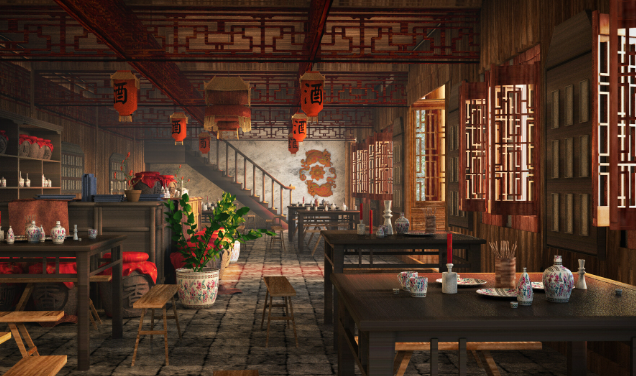
A Chinese restaurant can turn an ordinary meal into an enjoyable exploration of flavors, textures, and regional cooking traditions. Chinese cuisine offers an enormous range of dishes, from delicate steamed dumplings and fragrant fried rice to spicy specialties, savory noodles, fresh seafood, and slow-cooked meats. Many diners begin with familiar choices, but the menu often contains lesser-known dishes that deserve just as much attention. Exploring beyond the usual favorites newhongkongchineserestaurant.com can reveal how Chinese cooking balances aroma, texture, seasoning, and fresh ingredients in remarkably creative ways.
Exploring the Variety of Chinese Cuisine
Chinese cuisine does not follow one single flavor profile. Different regions have developed their own ingredients, cooking methods, and approaches to seasoning. Cantonese cuisine often highlights freshness and subtle flavors, while Sichuan cooking brings heat and aromatic spices. Hunan dishes commonly feature bold chili flavors, and northern Chinese cuisine places greater emphasis on noodles, dumplings, and wheat-based foods. Shanghai specialties often combine savory ingredients with gentle sweetness. A Chinese restaurant with a varied menu gives diners the chance to experience these differences without traveling between regions.
Dumplings With Distinctive Textures
Dumplings deserve a place near the top of any Chinese restaurant exploration. Steamed dumplings offer soft wrappers and juicy fillings, while pan-fried varieties create a crisp base that contrasts with the tender interior. Soup dumplings provide another memorable option because the delicate wrapper contains flavorful broth alongside the filling. Pork, shrimp, chicken, mushroom, and vegetable fillings can each create a different experience. Dipping sauces also influence the final flavor, particularly when diners combine soy sauce with vinegar, ginger, scallions, or chili.
Dim Sum Worth Ordering
Dim sum provides an excellent way to explore several Chinese dishes in one sitting. Restaurants may offer shrimp dumplings, steamed buns, rice rolls, sesame pastries, spring rolls, and other small specialties. The smaller portions encourage diners to order several options and share them around the table. This style of dining creates variety without requiring anyone to commit to a single large entrée. Dim sum also highlights different cooking methods, including steaming, frying, baking, and pan-searing, making it one of the most diverse sections of a Chinese restaurant menu.
Handmade Noodles and Stir-Fried Noodles
Noodles can reveal a great deal about Chinese cooking. Handmade noodles often have a chewy texture that differs from commercially prepared varieties. Chefs may serve them in a rich broth, toss them with vegetables and meat, or stir-fry them with aromatic sauces. Lo mein offers soft noodles combined with vegetables and protein, while chow mein usually develops a firmer texture through high-heat cooking. Some regional specialties use thick noodles, thin noodles, or hand-pulled strands. Each preparation provides a different balance between texture, sauce, and toppings.
Peking Duck for a Memorable Meal
Peking duck remains one of the most recognizable dishes associated with Chinese culinary tradition. Its preparation focuses on creating crisp skin while maintaining tender meat underneath. Restaurants often serve the duck with thin pancakes, cucumber, scallions, and a savory sauce. Diners can assemble each bite according to their preferred balance of rich meat, fresh vegetables, and sauce. Because the dish requires careful preparation, it often works particularly well for celebrations or group meals where several people can enjoy it together.
Mapo Tofu for Bold Flavors
Mapo tofu offers a powerful introduction to Sichuan cuisine. The dish combines soft tofu with a savory sauce that commonly features chili and fermented ingredients. Sichuan peppercorns can add a distinctive tingling sensation alongside the heat, creating a flavor profile unlike ordinary spicy dishes. The softness of the tofu also contrasts with the intensity of the sauce. Diners who enjoy bold flavors can pair mapo tofu with steamed rice, which helps balance the seasoning while allowing the sauce to remain the star of the plate.
Seafood With Chinese Cooking Techniques
Seafood lovers can find plenty to explore at a Chinese restaurant. Steamed fish with ginger and scallions highlights the natural character of fresh seafood without relying on heavy sauces. Salt and pepper shrimp can provide crisp texture and aromatic seasoning, while seafood stir-fries combine prawns, scallops, squid, or fish with colorful vegetables. Preparation matters greatly with seafood. Steaming, quick stir-frying, and careful roasting can preserve delicate textures while allowing aromatics to enhance the overall flavor.
Crispy Dishes and Savory Contrasts
Texture plays an important role in Chinese cuisine, and crispy dishes provide an enjoyable contrast to softer foods. Spring rolls deliver a crunchy exterior around a savory vegetable or meat filling. Fried wontons offer another light and crisp option. Salt and pepper dishes can add aromatic seasoning to seafood or meat, while sweet and sour preparations combine crisp ingredients with a tangy sauce. Ordering one crispy dish alongside steamed vegetables or soup can create a more balanced table with several contrasting textures.
Traditional Chinese Soups
Soup can provide a comforting and flavorful start to a Chinese meal. Hot and sour soup combines acidity and spice with ingredients such as tofu, mushrooms, bamboo shoots, and vegetables. Wonton soup places delicate dumplings inside a savory broth, while egg drop soup creates a simple combination of seasoned broth and silky egg ribbons. Some restaurants also offer regional soups that use seafood, meat, herbs, or slow-cooked ingredients. These dishes demonstrate how Chinese chefs can build satisfying flavors without relying entirely on heavy sauces.
Vegetable Dishes With Fresh Flavor
Vegetable dishes deserve more attention than they often receive. Chinese cooking can transform simple vegetables through high-heat stir-frying, steaming, braising, or roasting. Broccoli with garlic, Chinese greens with oyster-style seasoning, stir-fried mushrooms, snow peas, bok choy, and mixed seasonal vegetables can bring freshness to a meal. Quick cooking helps preserve texture while aromatics create additional depth. Pairing vegetable dishes with richer meat or seafood options can also prevent the meal from becoming overly heavy.
Fried Rice With Regional Character
Fried rice remains a familiar choice, but its preparation can vary considerably. Chefs may combine rice with egg, scallions, vegetables, shrimp, chicken, pork, or beef. High heat allows the ingredients to develop a fragrant aroma while keeping the rice relatively dry and separate. Some versions focus on simplicity, while others include several ingredients and stronger seasoning. Ordering fried rice alongside saucy dishes creates a practical combination because the rice can absorb flavorful sauces while providing a neutral foundation.
Spicy Chinese Dishes
For diners who enjoy heat, Chinese cuisine offers an impressive range of spicy dishes. Sichuan cooking often combines chili with Sichuan peppercorns, creating both heat and a distinctive numbing sensation. Hunan cuisine can deliver intense chili flavor with aromatic ingredients and savory sauces. Kung pao preparations balance spicy, sweet, savory, and nutty elements, while chili-based seafood dishes can provide a stronger punch. Since spice levels vary between restaurants, asking the staff about the intensity can help diners choose a dish that matches their comfort level.
Chinese Dishes for Vegetarian Diners
Vegetarian diners can find plenty of satisfying options without limiting themselves to plain vegetables. Tofu provides a versatile base for spicy, savory, and braised dishes. Mushroom preparations can create a rich texture, while vegetable dumplings and stir-fried noodles offer more substantial choices. Restaurants may also serve eggplant with garlic, mixed seasonal vegetables, or tofu with fermented bean-based sauces. The combination of aromatic ingredients and traditional cooking techniques gives vegetarian dishes plenty of character.
Balancing a Chinese Restaurant Meal
A well-rounded meal usually includes a mixture of flavors and textures. Rich roasted meat can work alongside fresh vegetables, while spicy dishes can pair with plain rice. Dumplings can provide a soft or crispy element, while soup introduces warmth and moisture. Noodles and fried rice can add substance without requiring every dish to use the same seasoning. Sharing several dishes allows diners to create this balance naturally and experience more of the menu in one sitting.
Discovering New Favorites
The most interesting Chinese restaurant dishes are not always the ones that immediately look familiar. Diners can ask about regional specialties, seasonal dishes, or chef recommendations to discover something outside their usual order. Trying one unfamiliar dish alongside two familiar favorites provides a comfortable way to expand the palate. Over time, these small experiments can reveal new preferences and make every visit feel different. Chinese cuisine offers enough regional diversity that even regular diners can continue finding dishes worth exploring.