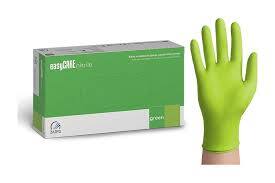
Protective gloves play an important role in maintaining hygiene and reducing exposure to potentially harmful substances in medical facilities, laboratories, food preparation areas, and industrial workplaces. Among the available options, powder-free nitrile gloves have become a popular choice because they combine practical protection with comfort and versatility. Understanding their key benefits helps healthcare professionals and other workers choose suitable gloves for their daily activities.
Powder-Free Nitrile Gloves and Workplace Hygiene
One major advantage of powder-free nitrile gloves is their ability to reduce powder-related contamination. Some traditional disposable gloves contain powder to make them easier to put on and remove. However, this powder can spread onto work surfaces, equipment, products, or sensitive materials.
Powder-free alternatives eliminate this additional source of contamination. This feature makes them useful in environments where cleanliness matters, including healthcare settings, laboratories, and food handling operations. Workers can perform routine tasks without introducing glove powder into their immediate surroundings.
For additional information, glovesupply.us guidance explains how appropriate personal protective equipment supports safer working conditions.
Powder-Free Nitrile Gloves for Reliable Protection
Nitrile gloves are made from synthetic rubber, making them a practical alternative to natural rubber latex gloves. They provide a protective barrier against many common contaminants and offer resistance to various oils, greases, and chemicals, depending on the glove’s formulation and thickness.
These properties make nitrile gloves suitable for a range of tasks, from medical examinations to laboratory work. However, no glove protects against every substance. Users should check manufacturer compatibility information and select products designed for their specific exposure risks.
Powder-free nitrile gloves can also help reduce direct hand contact with blood, bodily fluids, and other potentially infectious materials when used according to appropriate safety procedures. They should complement, rather than replace, proper hand hygiene and other infection prevention measures.
Comfort and Latex-Free Convenience
Comfort matters when workers need to wear protective gloves throughout a busy shift. Nitrile gloves generally provide flexibility and tactile sensitivity, helping users handle tools, medical instruments, and small objects with greater control.
Because nitrile does not contain natural rubber latex proteins, these gloves are an important option for people who need to avoid latex exposure. However, nitrile products may still contain other ingredients that cause skin reactions in some individuals, so users should seek suitable alternatives if irritation develops.
A well-fitting glove also supports comfortable movement and reduces unnecessary strain during repetitive tasks. Choosing the correct size helps maintain dexterity while limiting the risk of tearing during normal use.
Choosing and Using Powder-Free Nitrile Gloves
Selecting suitable powder-free nitrile gloves requires attention to the intended task, glove thickness, fit, durability, and relevant safety standards. Medical examinations, chemical handling, and food preparation may require different glove specifications, so users should not assume that every nitrile glove offers the same level of protection.
Before use, workers should inspect gloves for visible damage and ensure that the product matches their workplace requirements. They should replace gloves between patients or tasks when necessary and whenever the gloves become damaged or contaminated.
Proper removal and disposal also matter. Users should avoid touching contaminated glove surfaces with bare hands and follow the waste management procedures established for their workplace. Following glove selection and use guidance can help workers choose appropriate hand protection for specific tasks and exposure risks.